

Fall protection
on fragile industrial surfaces
on fragile industrial surfaces
At Ypsos we offer fall arrest nets for industrial roofs, providing strong, high-quality solutions for different types of roofs.
Fall arrest net systems are essential for collective fall protection on roofs, especially in areas with fragile surfaces such as translucent panels and rooflights.
50x50 mm
2.7 mm
At Ypsos we offer fall arrest nets for industrial roofs, providing strong, high-quality solutions for different types of roofs.
— Our models
To ensure fall protection on roofs with translucent panels, we offer safety nets that allow surveys, maintenance, and repairs to be carried out in any area, minimizing the risk of falls.
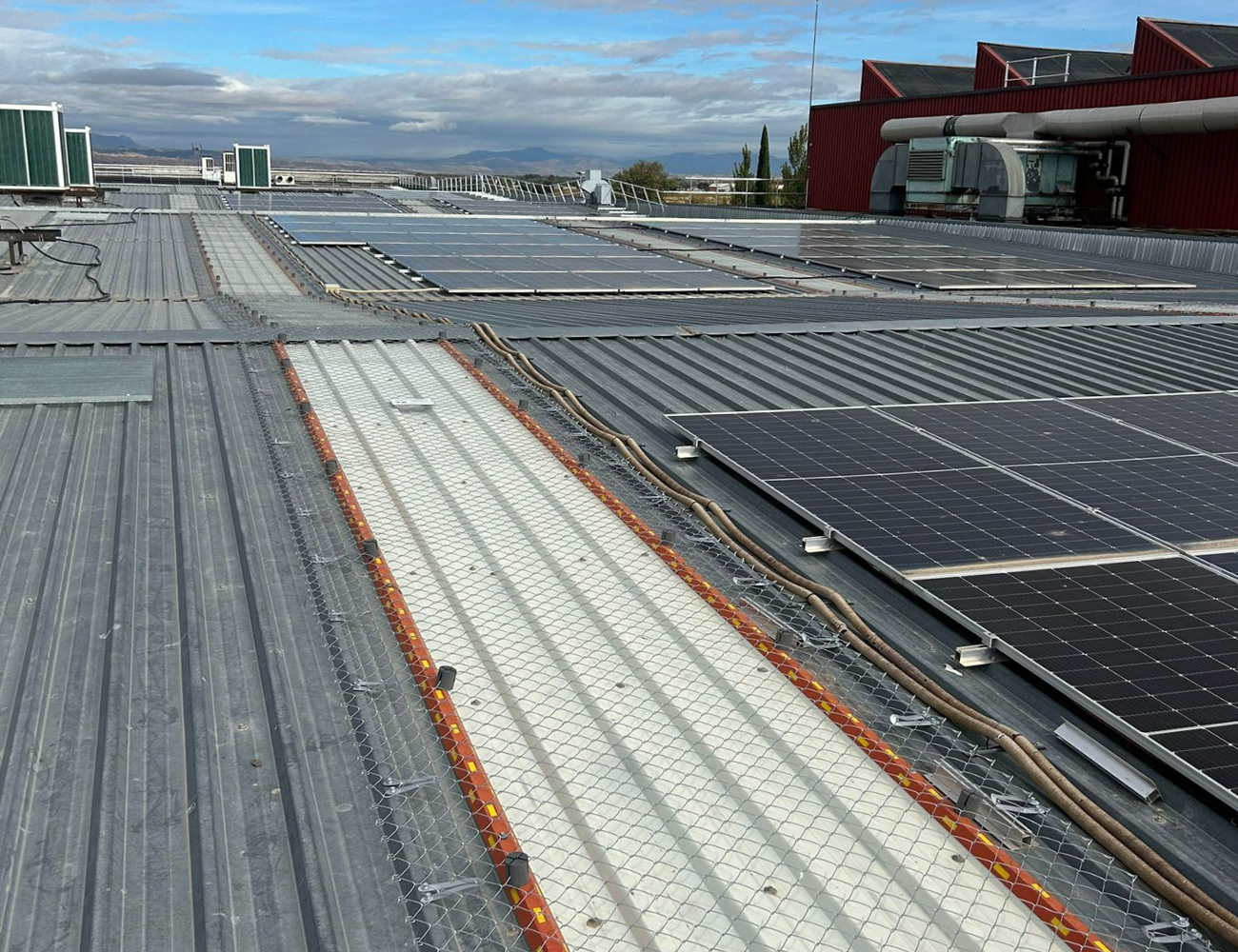
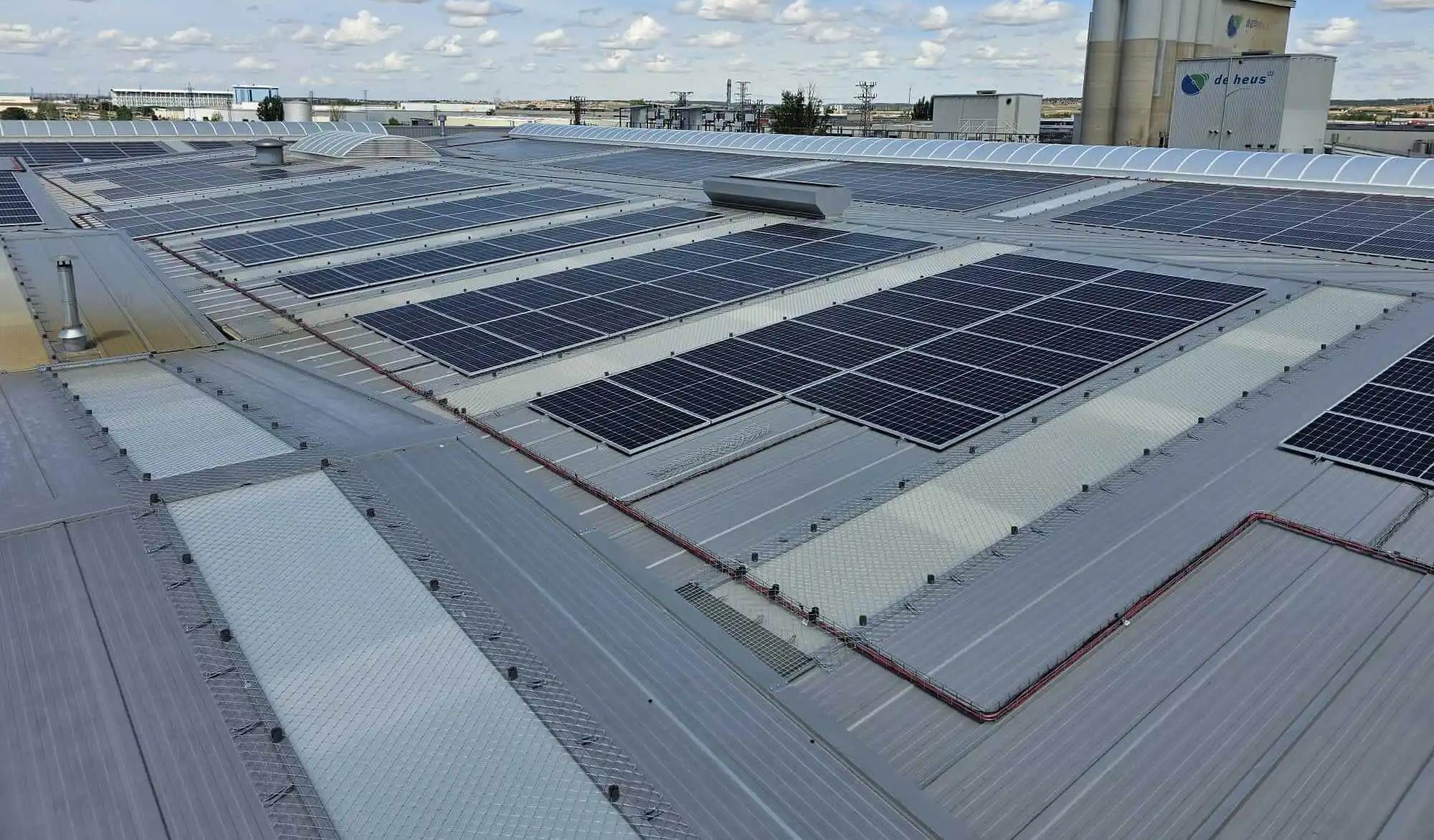
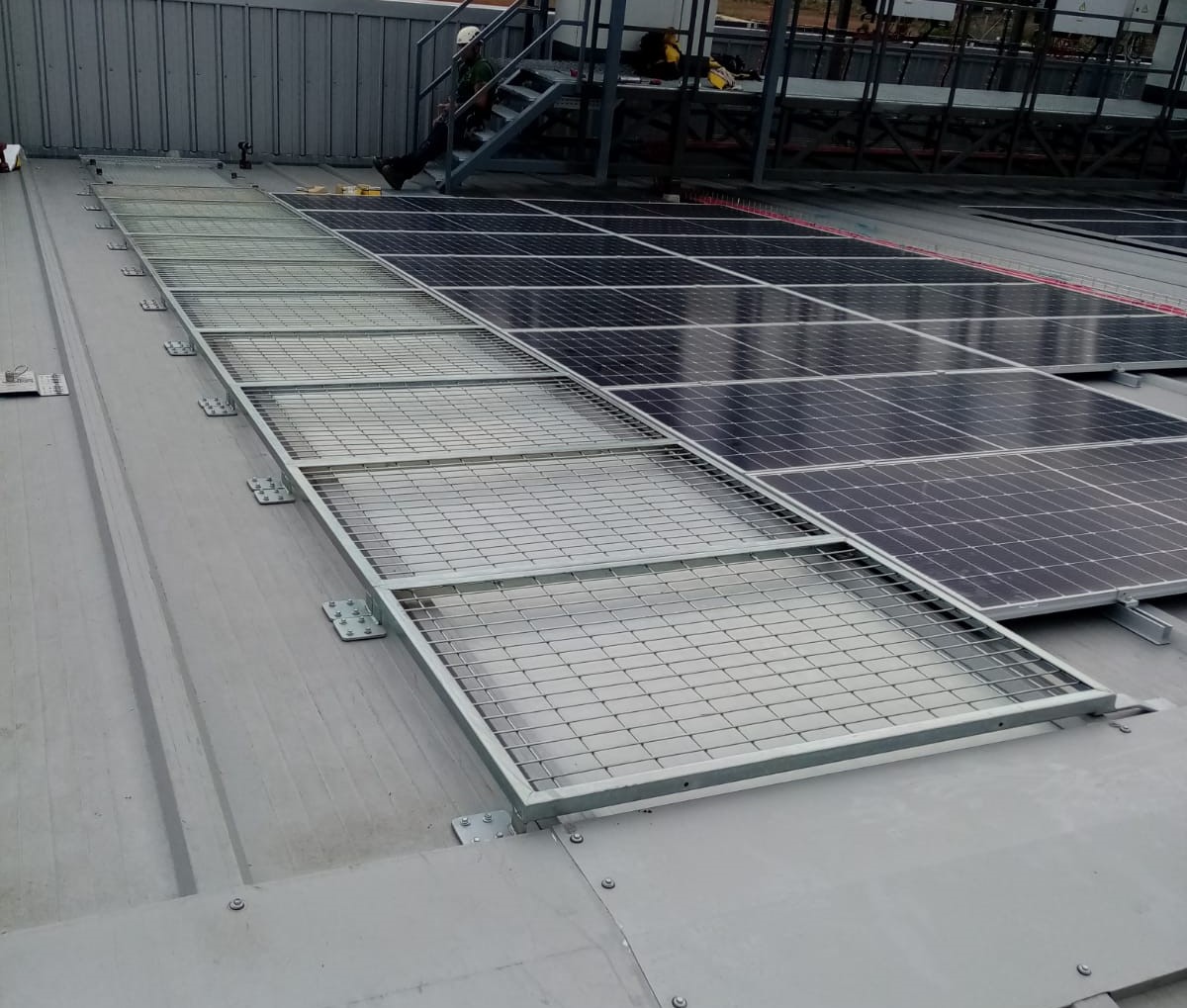
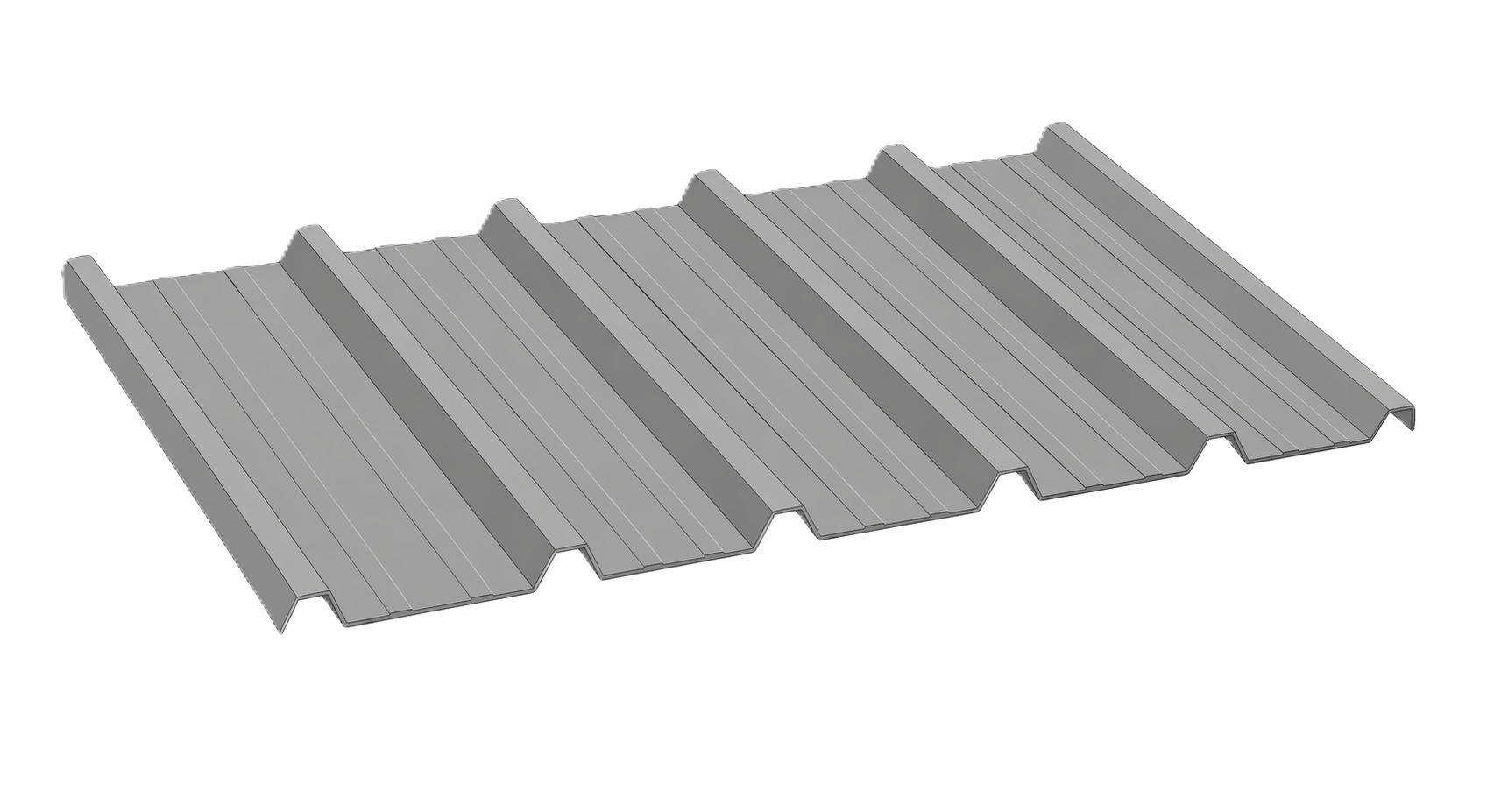
— What roof do you have?
Fall arrest net for metal, sheet, fiber cement, sandwich panel, or rooflight roofs. Each surface has its own technical solution; the main difference is the type of anchor.
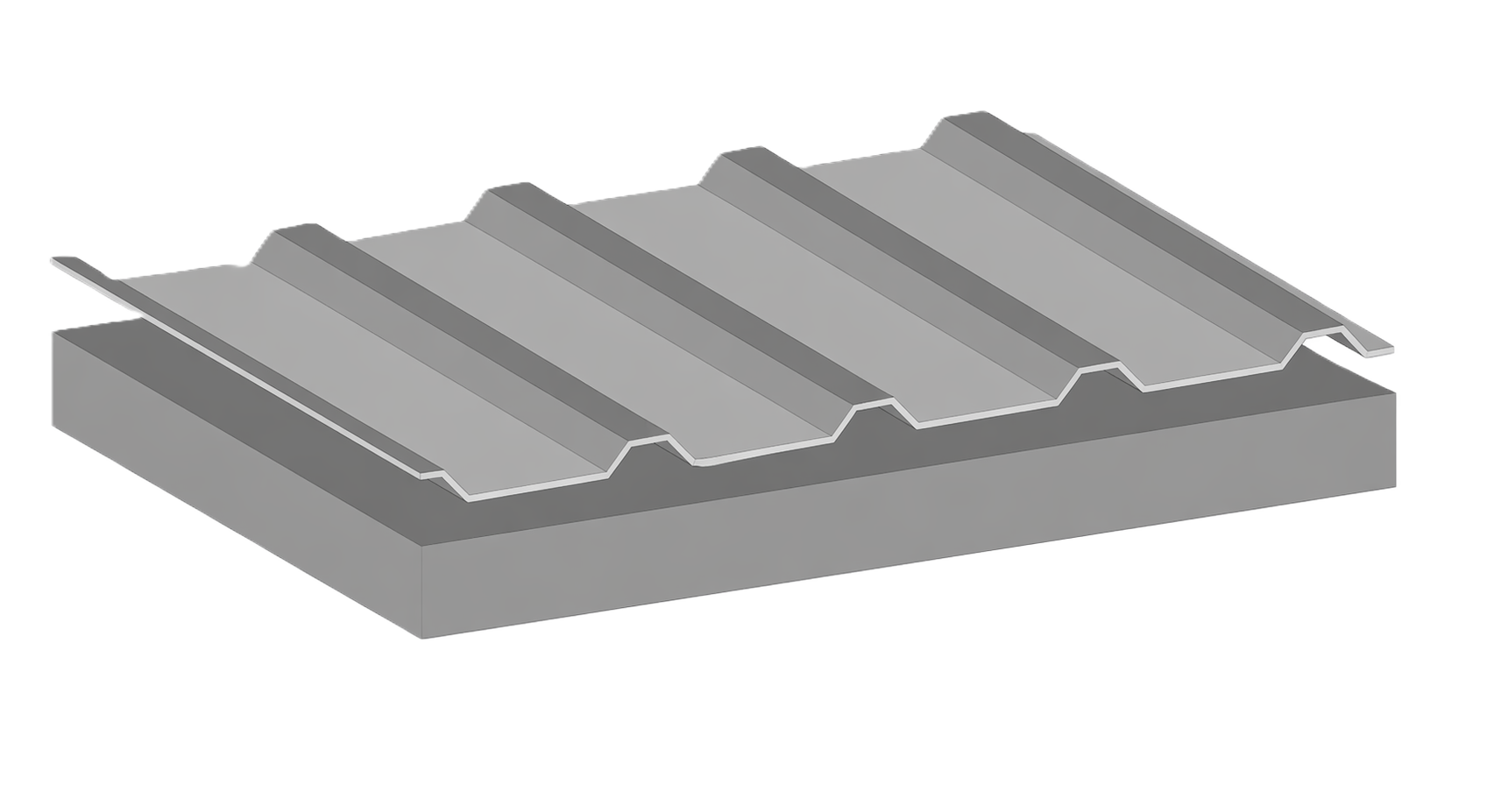
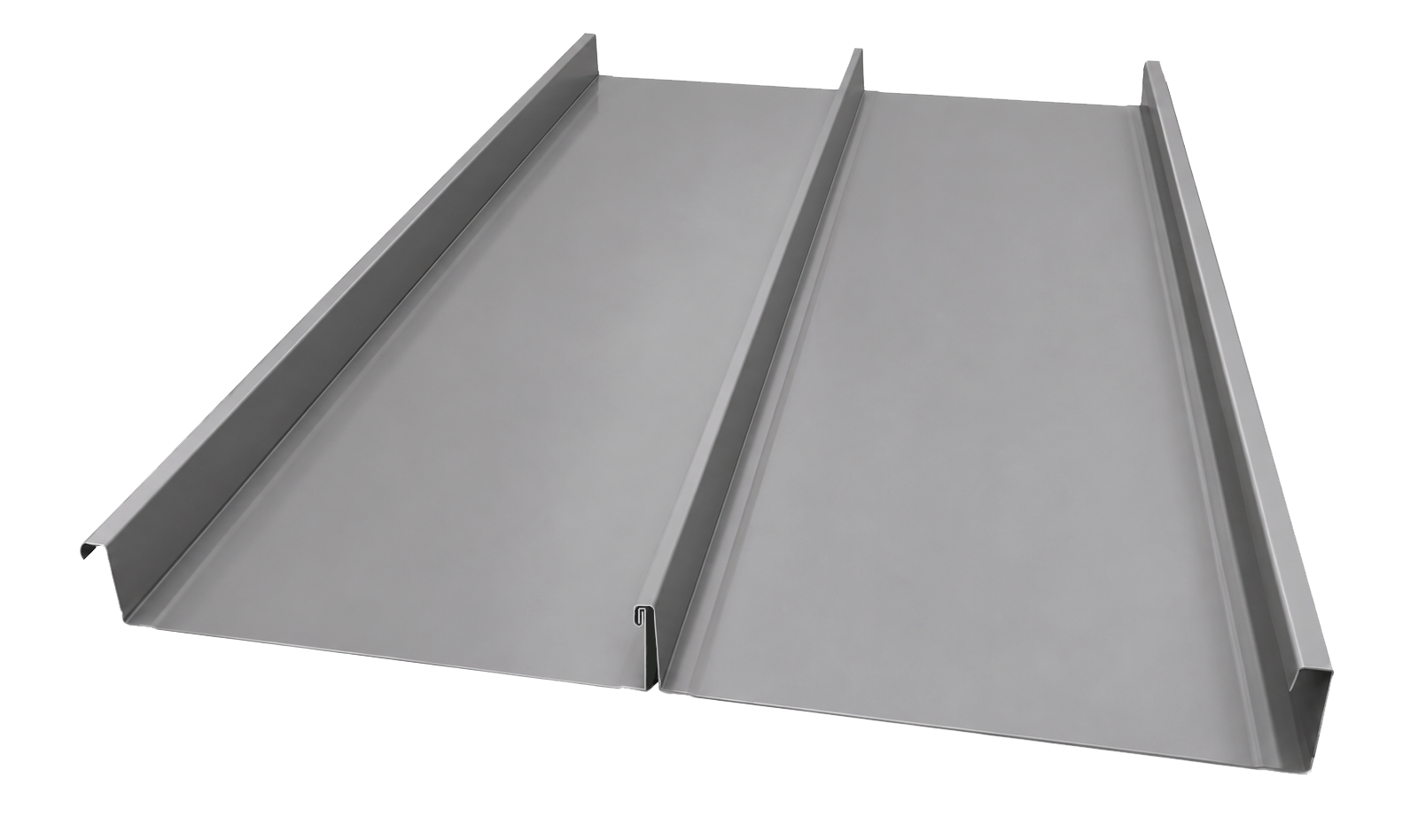
All of our production takes place in Spain. This allows us to control quality, offer tight lead times, and customize any project without extra costs.
Quote response
Shipping after quote acceptance
— How we work
Our net for translucent panels offers several technical features that make it the best choice for this type of roof:
01 / MATERIAL
Galvanized single-twist mesh.
02 / WATERTIGHTNESS
Sealing spacers for waterproofing the roofs.
03 / DURABILITY
Outdoor durability of the system thanks to its stainless and galvanized components.
04 / SAFETY
Provides collective protection against the risk of falling through.
05 / VERSATILITY
Adaptable to any size and shape.
— QUOTE
If you are considering buying fall arrest nets for industrial roofs, our technical team will advise you on selecting the most suitable protection system for your needs and will provide the complete documentation for its correct installation.
Mon–Fri · 7:00 AM to 3:00 PM · Direct technical support
We will reply within 24 business hours.
Single-twist mesh is a metal mesh whose weave geometry lets it deform in a controlled way under a dynamic load, such as a person falling, without breaking or coming loose from its anchors. This energy-absorbing capacity makes it suitable as a fall protection element, unlike rigid structures that can fracture or transmit the load abruptly. In PIGNUS Panel, the mesh is also galvanized to ensure outdoor durability.
There is some loss of light transmission associated with the presence of the net, but in practice it is small. Single-twist mesh has a high proportion of open space relative to the metal material, so the impact on natural interior lighting is limited. For installations where natural lighting is critical, we can advise you on the most suitable configuration.
Yes. PIGNUS Panel is installed on the roof from the outside, over the existing rooflights, without having to remove the panel or work from inside the building.
No, as long as the installation is done correctly. PIGNUS Panel includes spacer blocks that prevent direct contact between the net and the translucent panel, and sealing gaskets at each fastening point that waterproof the penetration. The roof remains watertight after installation.
On a sandwich panel roof with integrated rooflights, the translucent panel and the opaque panel look exactly the same from above. Same height, same surface, same appearance. The difference is that one holds and the other does not.
This is the risk of falling through: there does not need to be a visible hole. It is enough for a worker to step where they should not for a fall with serious or fatal consequences to occur.
Occupational health and safety regulations classify translucent panels as fragile surfaces and require them to be protected. Signage, cones, or markings on the roof are complementary measures, not substitutes. Permanent collective protection is the only solution that works regardless of the worker’s behavior.
PIGNUS Panel is YPSOS SAFETY’s fall arrest protection system for rooflights and translucent panels on sandwich panel roofs. Made in Spain, it was developed to solve a specific problem: permanently protecting fall-through risk points on industrial roofs without compromising the roof’s watertightness or the entry of natural light.
Technical features:
Standards it has been tested under:
Testing under four standards — Spanish, European, Italian, and German — is not common for this type of product. It is a decision by Ypsos Safety: if the system is going to protect a roof for years, it has to be rigorously tested, not just on paper.
There are nets on the market that are simply placed over the translucent panel and considered adequate. PIGNUS Panel is designed with more care than that, and the details show in the durability of the installation.
Spacer blocks. The net does not rest directly on the translucent panel. The spacer blocks create a controlled gap between the two elements, which eliminates friction from thermal expansion and vibration caused by wind. Without this separation, the net ends up damaging the surface of the translucent panel and shortening its service life.
Sealing gaskets. Every fastening point of PIGNUS Panel incorporates a gasket that waterproofs the penetration. Fall protection should not be installed in a way that creates new water leaks. The roof must remain watertight after installation, and PIGNUS Panel guarantees that.
Galvanizing throughout the structure. The metal elements are galvanized or stainless. On industrial roofs exposed to the elements, humid atmospheres, or aggressive industrial environments, galvanizing is not an extra: it is the minimum required for the protection to keep working five and ten years after installation.
PIGNUS Panel is designed specifically for sandwich panel roofs, which is the type where integrated translucent panels pose the greatest risk because they are visually indistinguishable from the opaque panel.
It is the right system when:
The roof is sandwich panel with rooflights integrated in line. The most common configuration in newly built industrial buildings and recent extensions, where translucent panels alternate with opaque panels following the same roof modulation.
There is periodic maintenance work on the roof. HVAC equipment, ventilation, photovoltaic installations, or antennas that require regular roof access are the context where the risk materializes repeatedly.
The roof will be walked on by personnel not specialized in work at height. Maintenance technicians, outside installers, inspection staff: anyone who goes up on the roof without knowing exactly where the translucent panels are is a potential accident if no collective protection is installed.
A photovoltaic roof is going to be installed over sandwich panel. The installation and subsequent maintenance of the solar modules involves heavy traffic across the roof during construction and periodic access throughout the installation’s service life.