

Protection for climbing and travel at height
Anchor systems with a rigid or flexible line, sized according to climb height and number of users.
We manufacture ZOIS vertical lifeline systems in cable, rail, or rope for fixed ladders, towers, and vertical climbs.
Configurations
Anchor systems with a rigid or flexible line, sized according to climb height and number of users.
— Our systems
In our catalog we offer different solutions depending on the type of anchor, the substrate it is anchored to, and whether it is temporary or permanent.
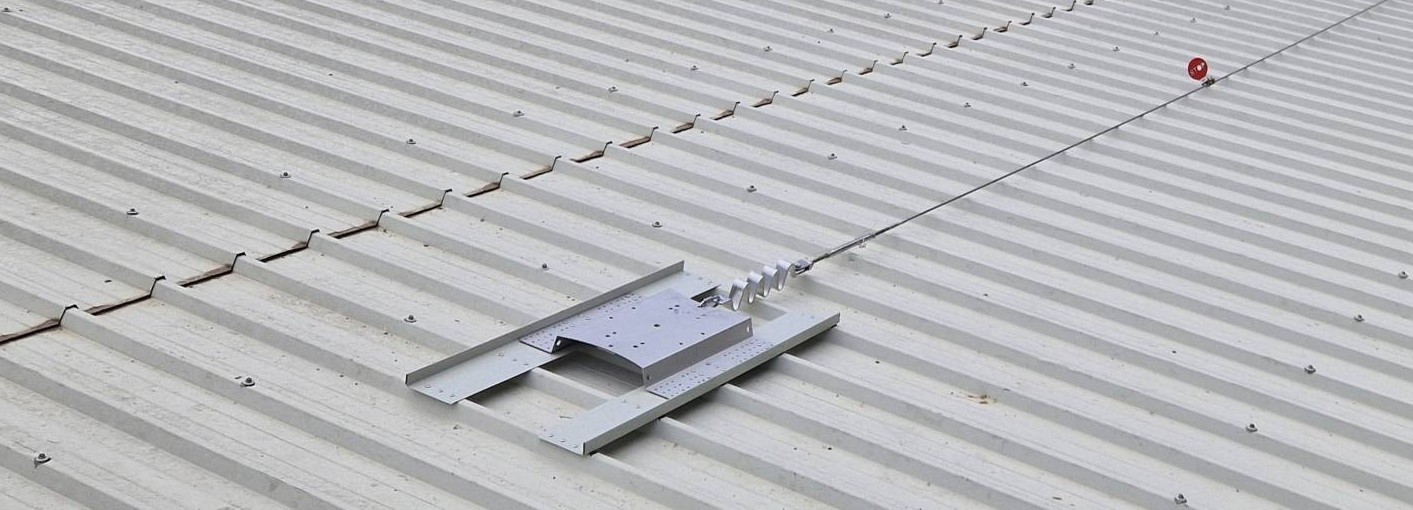
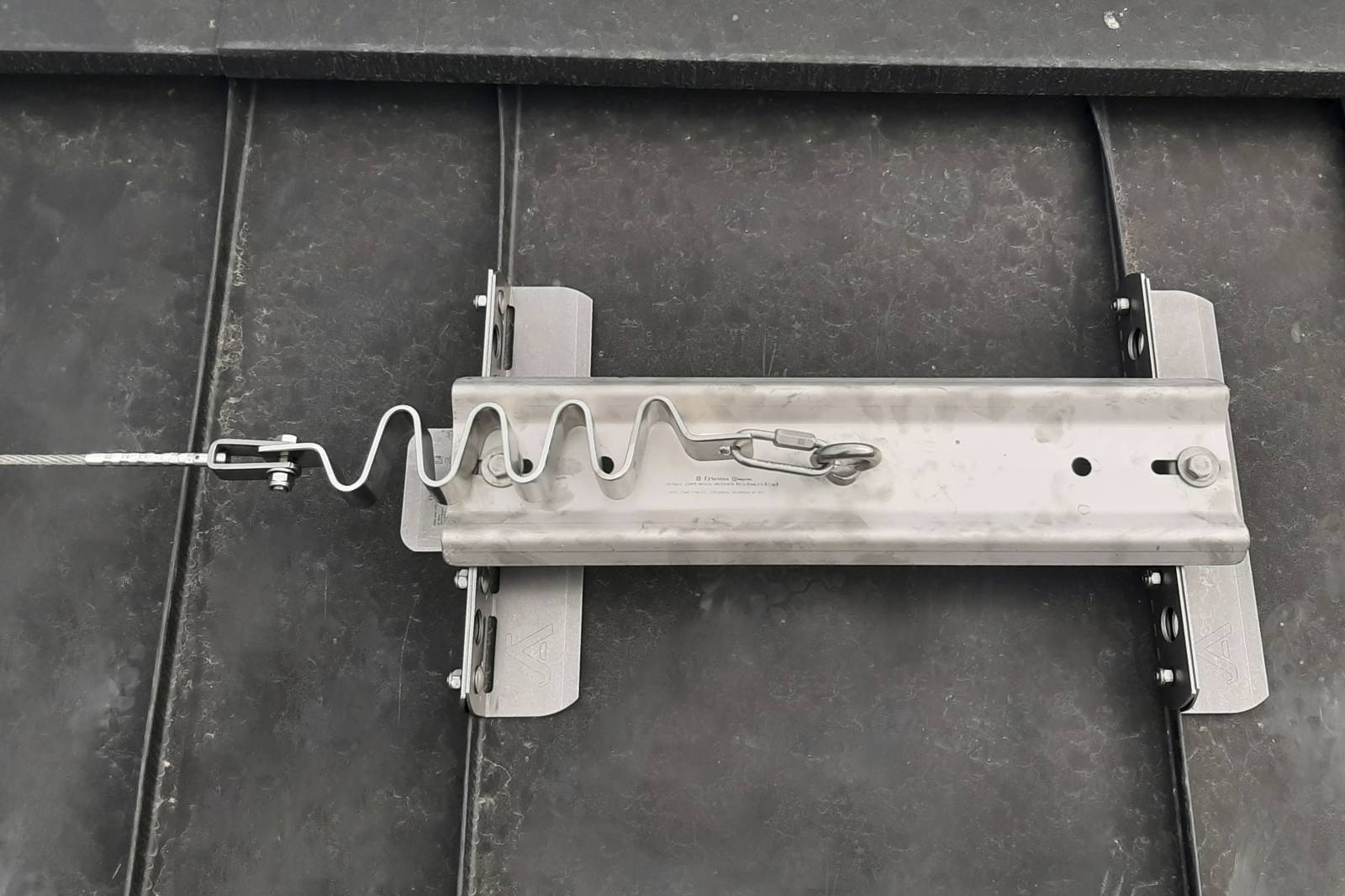
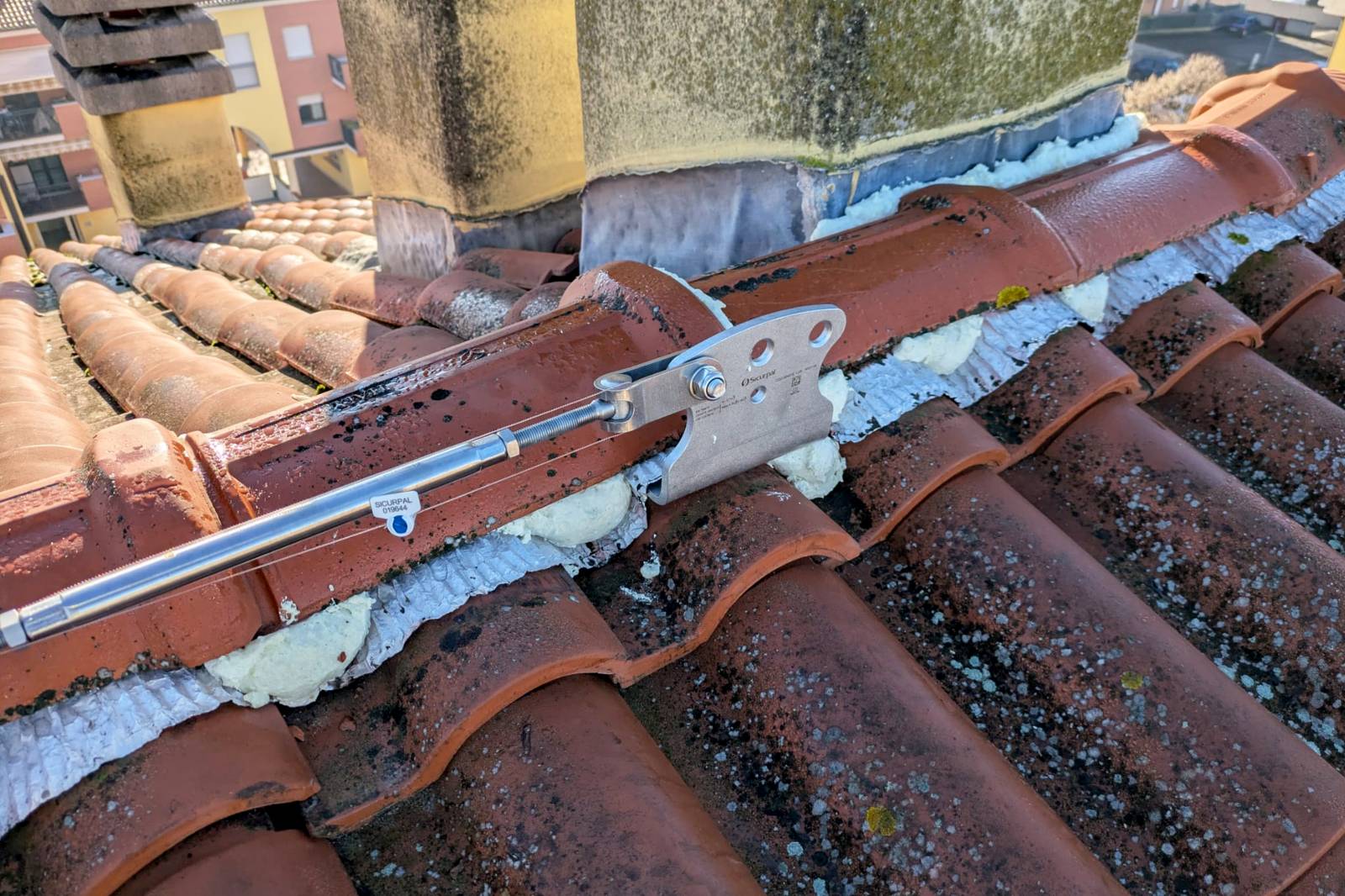
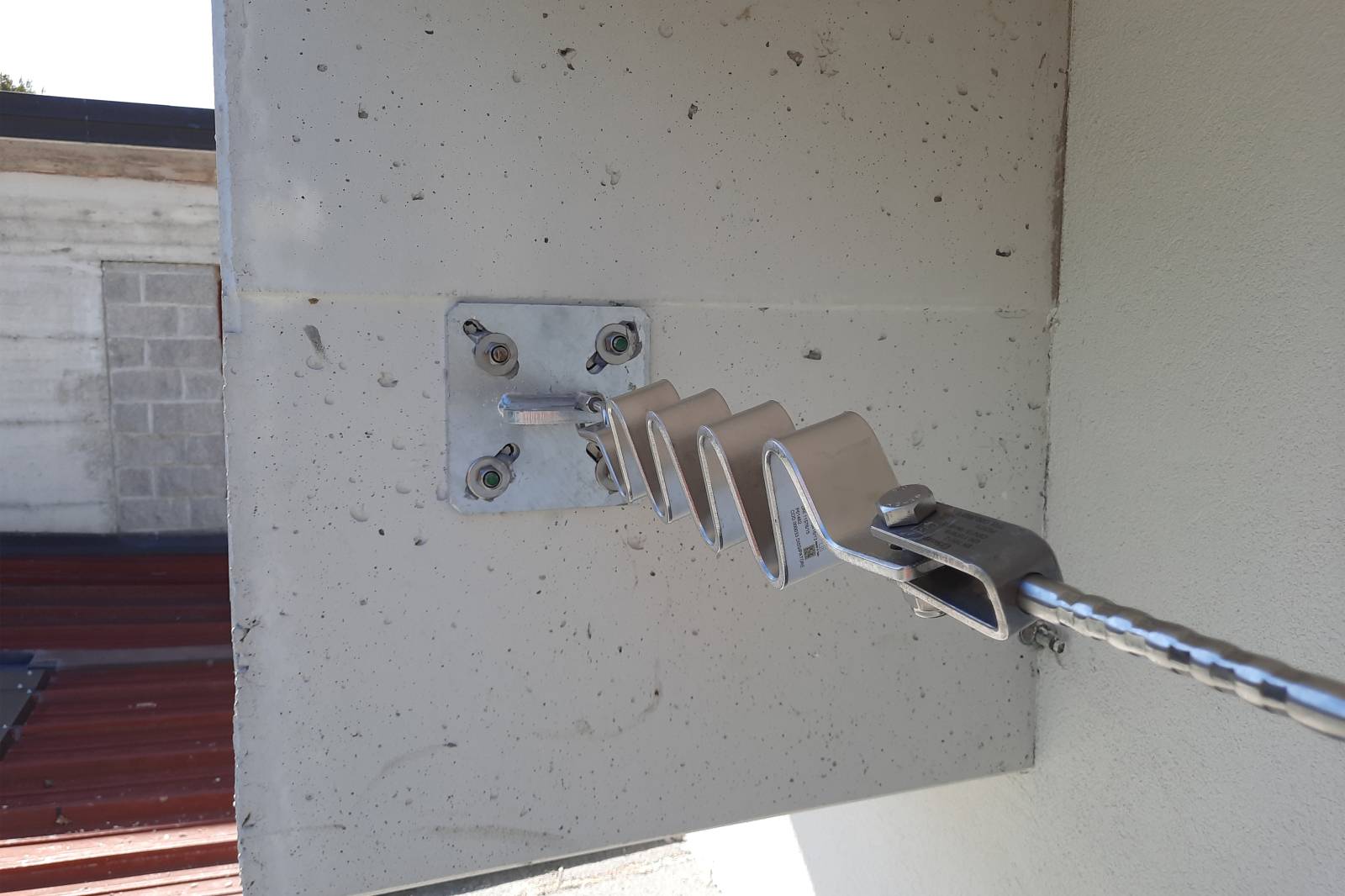
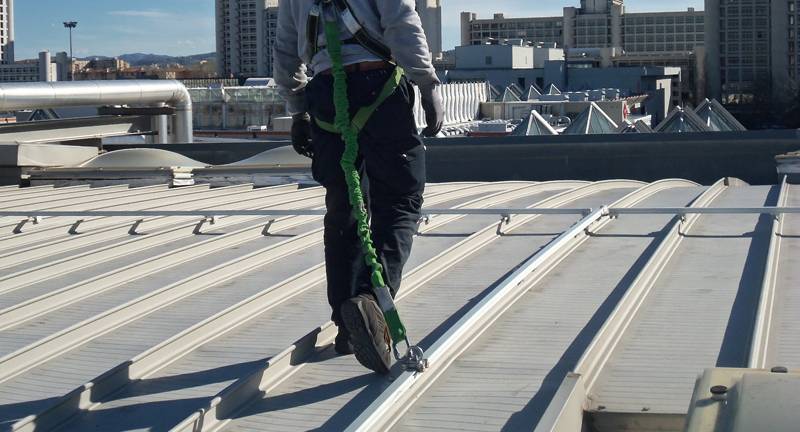
— WHAT STRUCTURE DO YOU HAVE?
We manufacture vertical lifeline systems for work at height where the risk path is the climb:
Vertical ladders for access to roofs, mezzanines, or machinery, and telecommunications and antenna towers.
Long climbs on wind structures, silos, tanks, chimneys, and industrial process structures.
Tower cranes, overhead cranes, maintenance walkways, and vertical access in confined spaces.
All of our production takes place in Spain. This allows us to control quality, offer tight lead times, and customize any project without extra costs.
Quote response
Shipping after quote acceptance
— OTHER CONFIGURATIONS
The configuration is not chosen from a catalog. It depends on the type of structure, the height of the climb, whether the system is permanent or for construction, and whether more than one user will be on the line at the same time.
01 / STEEL
02 / RAIL
03 / TEMPORARY
— QUOTE
Tell us the type of roof, the planned route, and the available clearance height. We will send you a sized proposal with the ZOIS system best suited to your project.
Mon–Fri · 7:00 AM to 3:00 PM · Direct technical support
We will reply within 24 business hours.
It is a safety system installed along a climbing route (a fixed ladder, a tower, a silo) made up of an anchor line (tensioned steel cable, rigid rail, or rope), a guided device that accompanies the user, and end anchors fixed to the structure. The worker connects to the harness at the sternal point and climbs with hands free. In the event of a fall, the guided device locks onto the line and the energy absorber limits the force transmitted to the body and the substrate.
The horizontal lifeline allows lateral movement across a surface, normally a roof, and is governed by UNE-EN 795 in its types C (flexible cable) and D (rail). The vertical lifeline protects the climb or descent along a structure and is governed by UNE-EN 353, with a mandatory guided device. The type of fall changes: on a horizontal line, the worker falls from the work plane; on a vertical line, the fall occurs during the progression itself. That is why the vertical line requires a guided device that moves up with the user without manual handling, and its arrest distance calculation is tighter.
The guided device is governed by UNE-EN ISO 353-1 when the anchor line is rigid (tensioned cable or rail) and by UNE-EN ISO 353-2 when it is flexible (rope). The system’s anchor devices are governed by UNE-EN 795, and simultaneous multi-user use by CEN/TS 16415. The design of fixed ladders and their need for fall protection is covered in UNE-EN ISO 14122-4. In Spain, RD 2177/2004 regulates working conditions at height. Every installation must have a declaration of conformity, a user manual, and recorded periodic inspection, at least annually in accordance with UNE-EN ISO 365.
The guided device (blocker, brake, or fall arrester, depending on what you call it on site) is the component that makes the system work. It moves up and down with the user without the user having to handle it, and locks by inertia on a sudden acceleration.
Points worth being clear on before you buy:
The vertical lifeline anchor is the part that absorbs everything. And its selection depends on the substrate, not the catalog: a plate bolted to a steel ladder profile does not behave the same as an anchor in reinforced concrete or a fastening to masonry.
We manufacture and supply the complete system:
On service life: the lifeline itself does not have an expiration date stamped at the factory, but it does have a mandatory inspection regime and withdrawal conditions. Textile elements and the PPE connected to it do have an expiration declared by the manufacturer. And any component that has been involved in arresting a fall is withdrawn, without exception.
Guided type fall arresters are governed by the UNE-EN 353 standard, divided into two parts according to the type of anchor line:
To this is added UNE-EN 795 for the system’s anchor devices and, when the climb may have several workers at once, technical specification CEN/TS 16415. In the Spanish framework, RD 2177/2004 and RD 1215/1997 set the conditions for using work-at-height equipment, and UNE-EN 365 requires periodic inspection at least every twelve months.
The certification of our systems is based on tests by an independent laboratory. With each installation we deliver a declaration of conformity, an installation and user manual, a technical data sheet, and a logbook. Having that documentation lets you demonstrate regulatory compliance during an inspection.
Vertical lifelines are installed on a variety of structures and in environments where safe vertical access and fall protection are needed
In short, vertical lifelines are installed on a wide variety of structures and in many environments to ensure the safety of workers who must climb and descend, providing essential fall protection.