


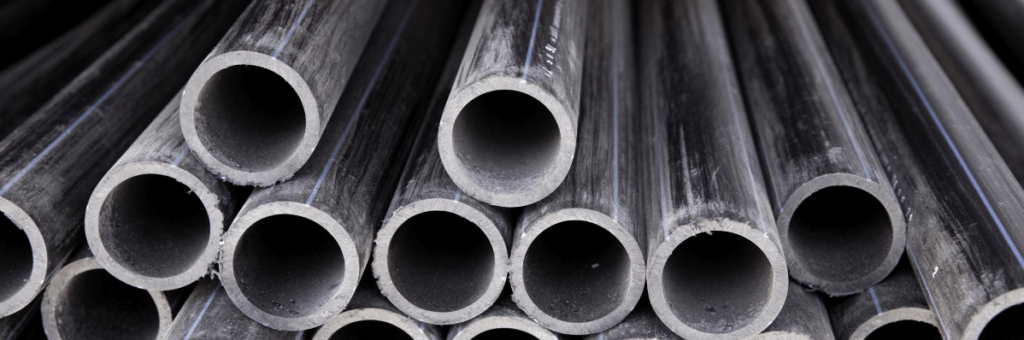
We have talked on several occasions about collective protection guardrails. Today we will focus on an important aspect: how to choose the right guardrail.
There are several factors to take into account when choosing these safety systems, so let’s go over what to consider in order to select the most suitable one.
Safety on roofs and at machine access points is a very important point to consider. One of the most effective measures for preventing accidents at height is installing perimeter collective protection guardrails on roofs or at access points to machines and workplaces.
These guardrails ensure workers’ safety, and therefore choosing the right ones is a fundamental part of the process before purchasing these safety elements. Below, we go over the key aspects for correctly selecting perimeter protection guardrails.
Current Standards and Regulations for Safety Guardrails
Before choosing any type of guardrail, it is essential to know the local and international standards and regulations governing safety at height.
These standards tell us the minimum requirements for installing collective protection systems at height. They specify the minimum height, strength, and other aspects that guardrails must meet. Complying with these standards not only ensures safety but also avoids legal penalties.
Types of Collective Protection Guardrails
There are several types of safety guardrails, each designed for the different needs we will find in the most common installation locations. The most common are:
Fixed Guardrails
Fixed guardrails are permanent models installed directly on the roof structures themselves, such as guardrails fastened to sheet metal, floors, and walls or parapets.
They are suitable for installations where direct fastening to the necessary structure is permitted without causing waterproofing problems, and where there is no expected need to uninstall them in the short term.
These guardrails are usually made of durable materials such as aluminum, which offers a long service life, resistance to adverse weather conditions, and light weight so as not to overload roofs.
Self-Supporting Guardrails
Self-supporting guardrails require no drilling or permanent fastening to the structures, which is very important in installations where, because of the roof type, fixed guardrail versions cannot be used since they could damage the roof’s waterproofing.
These systems incorporate counterweights to give the assembly the necessary stability, just as the fixed guardrail version does.
Guardrail Materials
The guardrail material is a very important factor when choosing the most suitable system for the place where the installation is to be carried out. The most common materials are:
- Aluminum
Aluminum is lightweight, corrosion resistant, and easy to install. Its light weight makes transport and installation easier and, as we mentioned earlier, with this material we can carry out installations that do not overload roofs, which is very important to consider before choosing the material, since some roofs have maximum allowable weight limits.
- FRP
FRP is a more modern option that combines light weight and strength. It is ideal for environments where corrosion can be a major problem, such as industrial facilities with a high risk of corrosion or areas with salty air, such as coastal areas.
- Stainless Steel
Another option for coastal areas is to carry out installations in stainless steel. These tend to be more specific cases, such as boat yards in coastal towns.
Safety and Design Aspects of the Guardrail
Safety is the priority when choosing collective protection guardrails. Some important considerations are the following:
- Guardrail Height
- Strength and Stability
- Installation and Maintenance
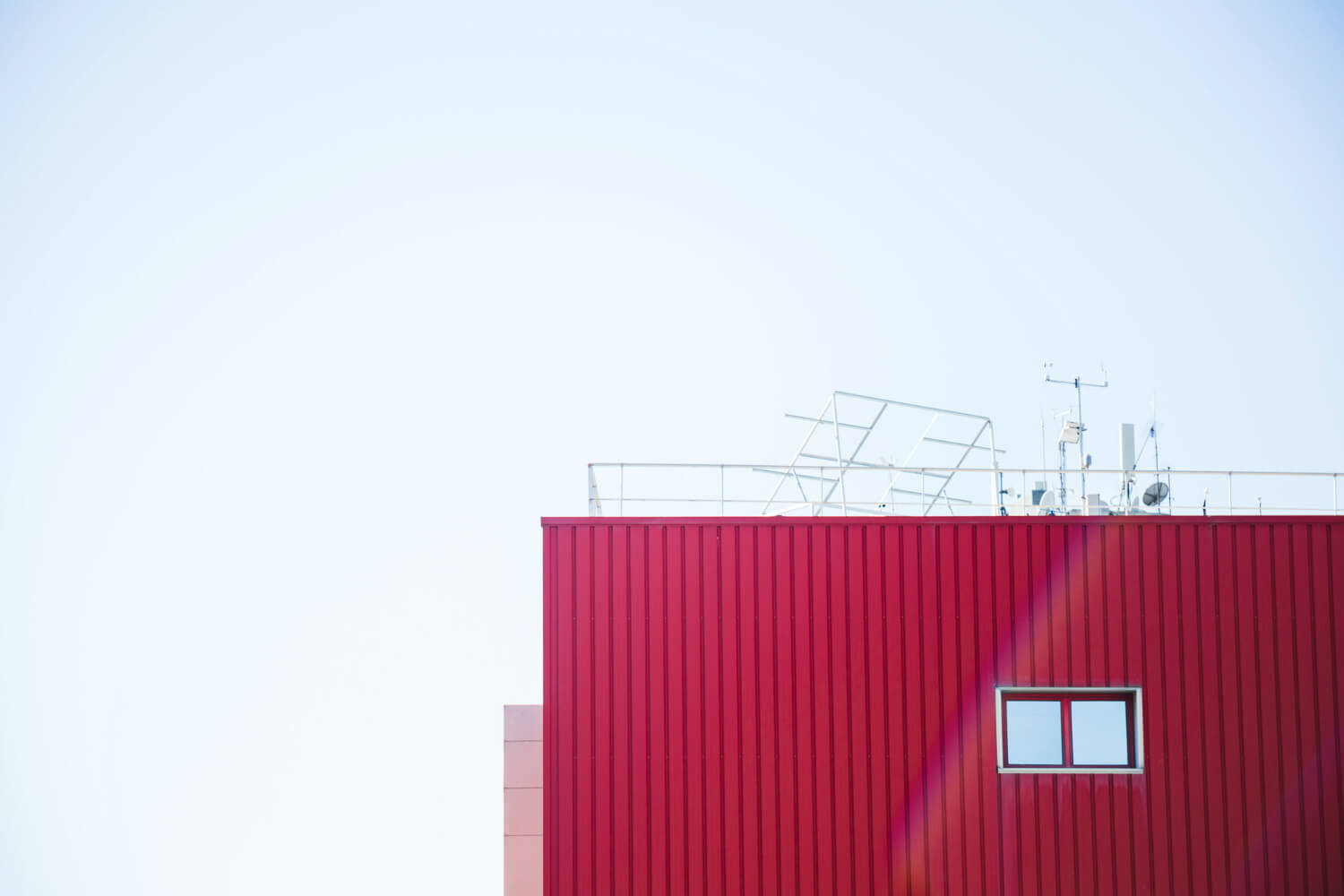
Assessing the Work Environment
Every work environment has specific characteristics that must be considered when choosing collective protection guardrails. These characteristics are:
- Roof Type
The type of roof (flat, sloped, etc.) influences the choice of the most suitable type of guardrail. Sloped roofs may require guardrails with special features to ensure their stability, such as specially fabricated bases.
- Weather Conditions and Surroundings
The weather conditions and surroundings where these safety systems are installed can affect the durability of the guardrails. It is very important to choose materials that can withstand these conditions without deteriorating quickly.
- Expected Use
The intended use of the roof will also determine the type of guardrail needed. For example, roofs that are expected to be used for continuous maintenance will require a system that is not temporary, whereas some roofs will call for temporary systems.
Conclusion
Finally, it is advisable to consult occupational safety experts, specialized suppliers, and manufacturers before purchasing these systems. They can provide the necessary recommendations by carrying out a detailed assessment of the specific needs of each project. They can also offer customized, made-to-measure options that meet all safety regulations and requirements in situations where standard solutions fail to achieve the main goal: safety.
Choosing the right perimeter collective protection guardrails for roofs and for access to machines or work areas is a task that requires taking all of these factors into account. To that end, an assessment of each situation should always be carried out to help us determine the most suitable type of guardrail and material, which is why it is always recommended to turn to qualified personnel and take into account each manufacturer’s corresponding specifications.