


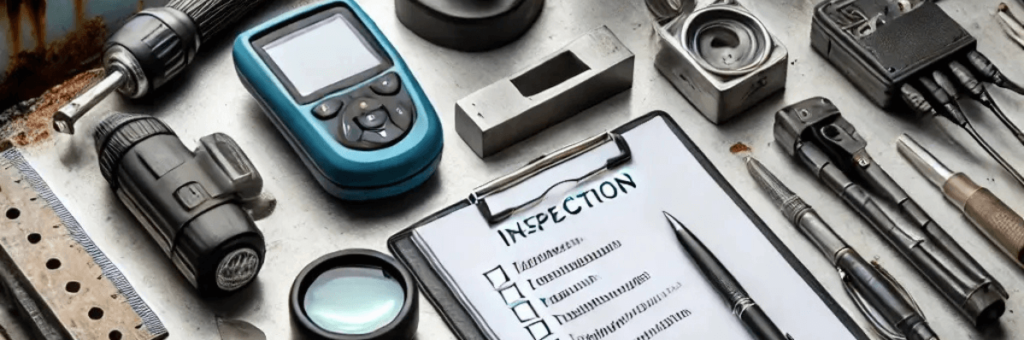
In spaces where workers face the risk of falling from heights, the collective protection guardrails regulated by the UNE EN 14122-3 standard are the most effective solution for preventing this type of accident, since it prioritizes collective protection over personal protection.
To ensure their effectiveness and maintain a safe work environment, it is important to perform proper maintenance and carry out periodic inspections and reviews of the guardrails.
Below, we will look at the importance of these actions and the steps that must be followed to ensure compliance with the regulations in this regard.
Safety Guardrails According to UNE EN 14122
The UNE EN 14122-3 standard covers the safety of machinery. Permanent means of access to machinery. Part 3: Stairways, stepladders and guard-rails.
In this standard we will find relevant aspects for designing and manufacturing these safety systems so that they comply with the regulation and fulfill their protective function. However, it is also necessary to carry out maintenance on them to ensure that all the elements are in the condition needed for them to keep performing that function.
Preventive Maintenance of Safety Guardrails
Maintenance of collective protection guardrails is essential for ensuring their long-term effectiveness. Over time, these structures can be affected by wear, corrosion, physical damage, or adverse environmental conditions such as prolonged exposure to sun, rain, or industrial chemicals.
Proper preventive maintenance can extend the service life of guardrails and reduce the likelihood of failures.
Some key benefits of preventive maintenance include:
- Prevention of workplace accidents.
- Avoiding costly repairs.
- Regulatory compliance.
Periodic Inspections of Safety Guardrails
The UNE EN 14122 standard not only sets out the installation requirements but also the need to carry out periodic inspections to check the condition of these safety systems.
Inspection Frequency
The frequency of inspections may vary depending on use and exposure to risk factors, but as a general rule, we will follow the frequency below, without forgetting each manufacturer’s specifications.
- Monthly visual inspections: We will carry out a visual inspection at least monthly to check for deterioration in any of the elements that make up the guardrails, such as rust, corrosion, or knocked or damaged elements that need replacing. In short, we will check all the elements we can see.
- Detailed annual inspections: In these inspections we will focus on a thorough check of each of the components, including the screws and bolts, to ensure they continue to maintain their stability, hardness, and necessary condition.
Inspection Procedures
Inspections must follow a clear protocol to ensure that all key components are checked. Some of the points are detailed below.
- Checking the handrails
- Intermediate rail
- Toe board
- Fastening elements
- Structural strength

Corrective Maintenance of Safety Guardrails
During inspections, damage requiring corrective action may be detected. Corrective maintenance of safety guardrails must be carried out by qualified personnel who have received the necessary training from the manufacturer as authorized installers.
- Repair of loose or damaged components
If loose or deformed handrails, posts in the same condition, or any other element are found, they must be repaired or replaced immediately. In some cases, it will be necessary to dismantle the guardrail to repair the anchor points or replace parts.
- Corrosion treatment
In industrial environments, especially those exposed to the weather or corrosive chemicals, protection against rust is essential. In cases of surface corrosion, an anti-corrosion treatment can be applied. If the corrosion is advanced, it may be necessary to replace the affected parts to ensure structural strength.
- Replacement of defective guardrails
In extreme cases, if a guardrail has irreparable structural damage or does not comply with the regulations, complete replacement will be necessary. This must be done in strict accordance with the specifications of the UNE EN 14122 standard to ensure that the new installation meets the requirements of that standard.
Recording and Documenting Inspections
An essential part of the maintenance and inspection process is documentation. It will include the following information:
- Date of the inspection.
- Name of the company and the technician in charge of the inspection.
- Observations on the condition of the guardrails.
- Corrective actions taken.
- Date of the next scheduled inspection.
This record not only helps ensure continuity of maintenance but is also a valuable tool in the event of safety audits or investigations.
Conclusion
Regular maintenance, inspections, and reviews of collective protection guardrails are essential for ensuring a safe work environment that complies with the UNE EN 14122 standard. A comprehensive maintenance program, including both periodic inspections and timely corrective action, will help prevent workplace accidents, extend the service life of protection systems, and ensure compliance with legal and safety standards.
The key is prevention: detecting problems early and acting proactively is the best way to keep guardrails in perfect condition and protect the lives of workers in industrial facilities.
To that end, as we have already mentioned, it is extremely important to follow the instructions set out by the manufacturers of safety systems since each one, based on the standard, will establish its own requirements for inspections and maintenance.