


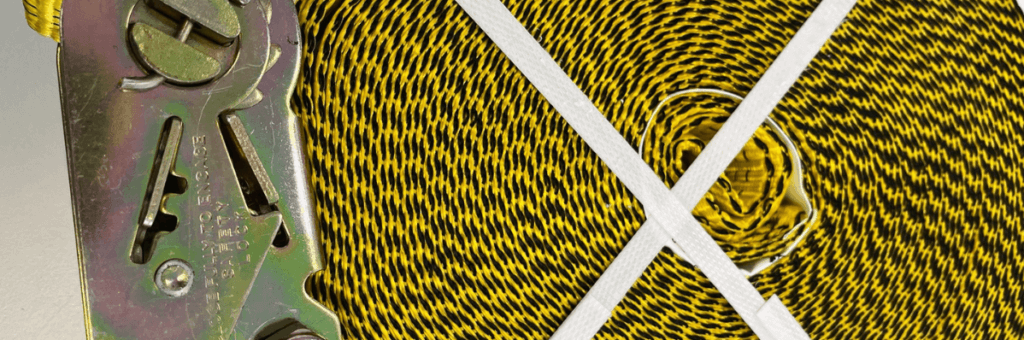
Lifelines are one of the most widely used fall arrest devices in work at height. We have discussed these permanent systems in previous posts; this time we will take a closer look at the temporary textile lifeline.
What Is a Temporary Textile Lifeline?
A temporary textile lifeline is a fall arrest safety system made up of three parts, as its name suggests.
First, it is a lifeline which, as we have defined in other posts, is a safety device used in work-at-height settings, construction, climbing, or other activities where fall protection is required. In this context, it refers to a system designed to stop or limit a person’s fall from a height.
The “temporary” variant indicates that this system is not permanent and is installed as needed for a specific task and for a limited time.
The term “textile” suggests that the lifeline components may include strong, durable textile materials.
These systems generally use textile straps, ropes, or cables connected to secure anchor points. These anchor points can be solid structures, such as steel beams, or devices specifically designed for this purpose.
Installing a temporary textile lifeline involves securing these components so that they provide a secure hold in the event of a fall.
Standards for Temporary Textile Lifelines
Temporary textile lifelines are governed by standard EN 795B, which refers to anchor devices that are temporary and portable and is part of the European standard UNE EN 795:2012. Personal fall protection equipment. Anchor devices.
Some key points of standard EN 795B may include requirements for the strength of the anchor device, its ability to withstand specific loads, and the durability of the device. In addition, the standard may address aspects related to the installation and proper use of these devices.
Where to Install a Temporary Textile Lifeline
A temporary textile lifeline can be installed in a variety of settings and situations where temporary fall protection is needed.
Some common places where a temporary textile lifeline could be installed include:
1. Construction sites: During the construction of buildings, bridges, towers, or other structures, temporary lifelines can be installed to provide secure anchor points for workers performing work at height.
2. Maintenance work: In maintenance activities on buildings, industrial facilities, or infrastructure, where workers need to reach elevated areas, a temporary lifeline can be installed to ensure their safety.
3. Temporary events: At temporary outdoor events such as concerts, festivals, or sporting events, temporary lifelines can be used to ensure the safety of those working on temporary structures such as stages or lighting towers.
4. Work on elevated platforms: On elevated platforms, whether in the oil and gas industry, on offshore platforms, or on other elevated structures, temporary lifelines can be installed to provide additional anchor points.
5. Bridge and tower inspection: During the inspection and maintenance of bridges, telecommunications towers, or other similar structures, temporary lifelines can be installed to ensure workers’ safety.
They can also be used before installing a permanent lifeline so that the user or installer stays safe while a fixed anchor device is being installed.

When Does a Temporary Textile Lifeline Expire?
All textile fall arrest safety devices have an expiration date; depending on the manufacturer, they will have one service life or another.
Some factors to consider regarding the service life of a temporary textile lifeline include:
- Manufacturer’s recommendations: Manufacturers usually provide detailed information on the expected service life of their products. This information is based on laboratory testing and design considerations.
- Regular inspections: Regular inspections of the temporary textile lifeline must be carried out to assess its general condition. Inspections must be performed according to the manufacturer’s recommendations and the regulations. If signs of wear, damage, or deterioration are found, the temporary lifeline may need to be taken out of service.
- Environmental conditions: Environmental conditions such as exposure to sunlight, rain, chemicals, or extreme temperatures can affect the material’s service life. It is important to consider these conditions when determining when to retire a temporary lifeline.
- Frequency of use: Frequent use of the temporary lifeline can accelerate wear. Lifelines that are used more regularly may need to be replaced sooner than those used less often.
In summary, the service life of a temporary textile lifeline depends on several factors, and the information provided by the manufacturer must be followed carefully.
It is always advisable to consult the product specifications and follow the inspection and maintenance guidelines to ensure the safety of those who depend on this temporary lifeline. If there are doubts about the integrity of the lifeline, guidance should be sought from qualified work-at-height safety professionals.