


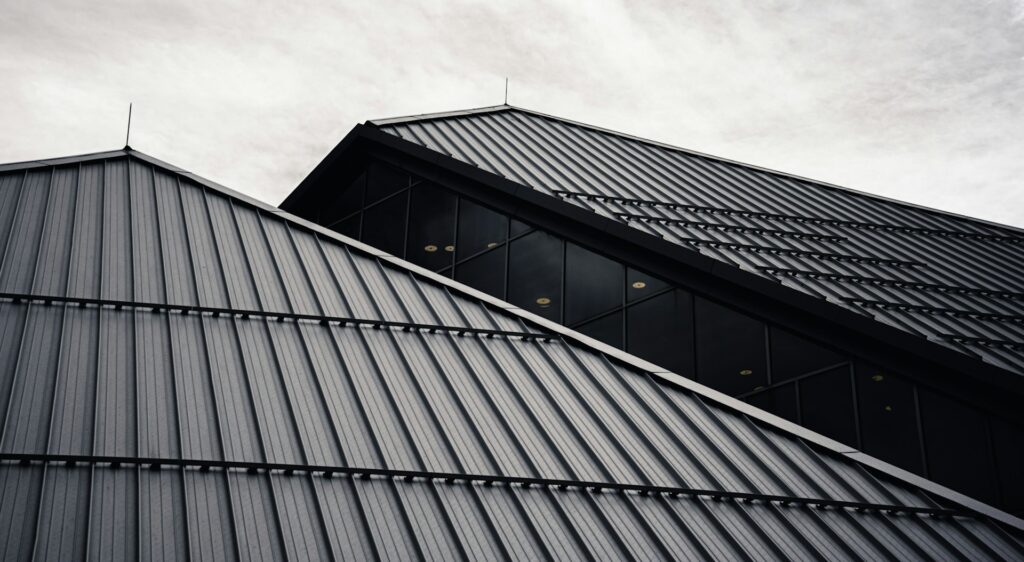
Working on roofs, whether on a house or an industrial building, involves various risks, both in the workplace and when it is our own home.
One of the main risks is the possibility of a fall, but we may also encounter slippery surfaces, bad weather, a loose tile, and other factors that increase the chances of an accident.
Below, we will go over the 5 keys we consider essential to avoid this type of situation when we need to access a roof.
What Factors Should You Consider to Work Safely?
Work Assessment and Planning
Before starting any task or job – this is general and not only for roofs – we must analyze the place we need to access and assess the possible risks we may encounter, for example:
- Inspect the condition of the roof: whether it has holes, broken or loose tiles, sunken or protruding areas, …
- Be aware of which tasks we can perform and which we cannot, since not all of us have the same training, experience, or skill
- Check whether the structure has had prior maintenance
Weather and Conditions
Weather is a vital factor when working at height, both the conditions at that moment and any warnings and alerts issued by the official authorities.
This is essential: be aware of the current weather and the forecast, since if, for example, rain or strong winds are expected, we must postpone the work
Collective and Personal Protection
As the OHS Law indicates, we must prioritize collective protection over personal protection. Therefore, a key factor before accessing a roof is to see which systems are installed and, if there are none, to plan the installation – even if temporary – of a fall arrest system.
The same applies to PPE, or personal protective equipment: we must have the necessary devices to access the roof, anchor ourselves, and work safely the entire time we are on it when there are no safety guardrails.
Coordination, Communication, and Supervision
Another key factor for working safely on a roof is that workers are coordinated at all times and there is real, effective communication among them.
This is crucial, since working conditions or the stability of the roof can change while the tasks are being carried out, and it must be possible to act quickly. The same applies in the event of an accident: the whole team must be coordinated.
An example would be:
- Establish clear and precise signals
- Assign roles and responsibilities
- Hold daily meetings
Training and Procedure
Finally, it is crucial that everyone who accesses the roof has the necessary training (theoretical and practical) to be there without putting their own safety or that of their coworkers at risk. This starts with:
- Knowledge of fall arrest systems
- Knowing how to act in an emergency
- Use of the necessary PPE
In addition, all workers must know and understand the work procedure for the project, which makes it possible to establish protocols that everyone knows and puts into practice.
Conclusions
Safety when performing tasks or work on roofs depends on several factors, from using appropriate fall arrest systems to the training workers have received.
All of this is essential to ensure safety when working at height; these five keys are only the starting point.
At Ypsos we are committed to manufacturing high-quality fall arrest systems designed to meet the most demanding safety standards and to contribute to a safer work environment for everyone.